

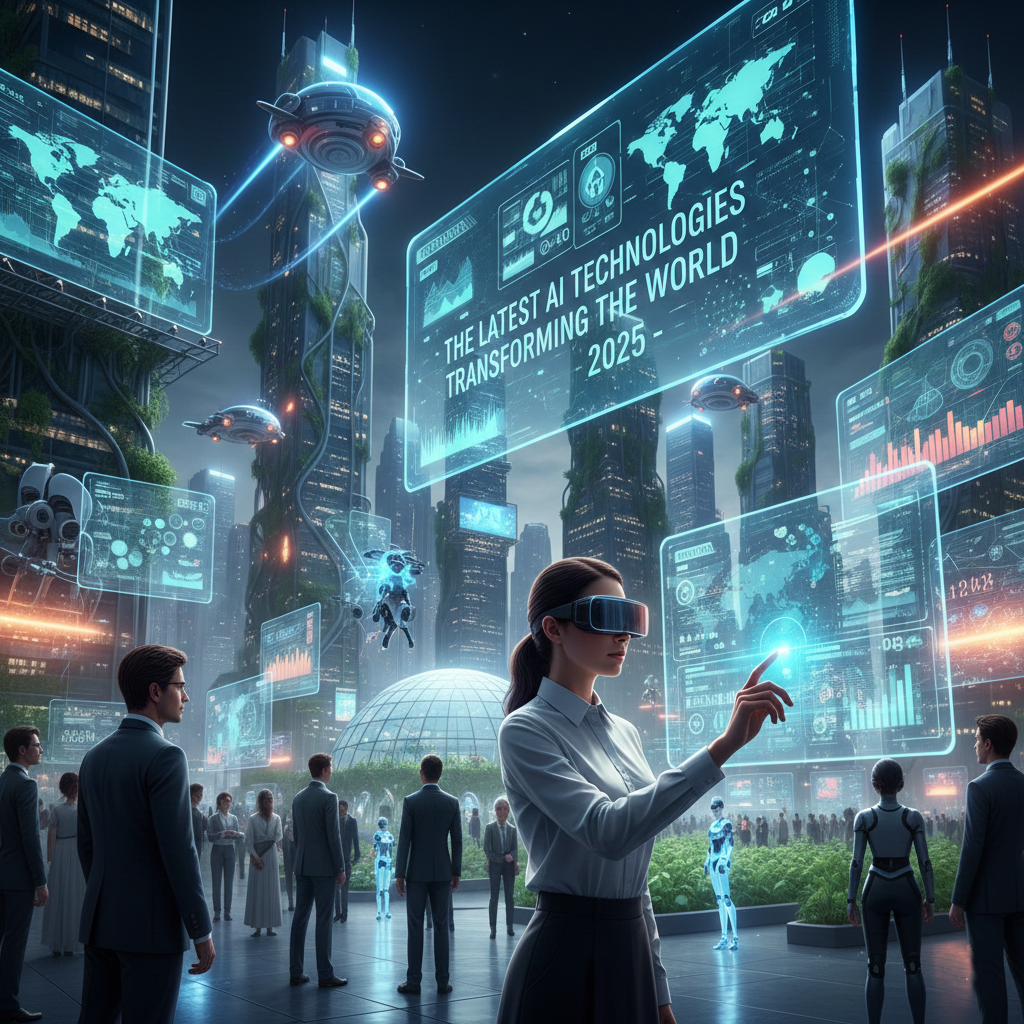
Artificial Intelligence (AI) is no longer a future concept—it is a present reality that is reshaping industries, redefining jobs, and transforming how humans interact with technology. In 2025, AI has reached a stage where it is not only assisting humans but also making intelligent decisions, creating content, understanding emotions, and solving complex real-world problems. This article explores the latest AI technologies, how they work, and why they matter more than ever.
Introduction to Artificial Intelligence in 2025
Artificial Intelligence has rapidly moved from being an experimental technology to becoming a core part of our daily lives. In 2025, AI is no longer limited to research labs or large corporations. It is actively used by small businesses, content creators, developers, healthcare professionals, and even students.
Modern AI systems are smarter, faster, and more reliable than ever before. They can understand human language, analyze images and videos, automate tasks, and even make decisions with minimal human involvement. This article explores the latest AI technologies in 2025 and explains how they are reshaping industries across the world.
Generative AI: Beyond Text and Images
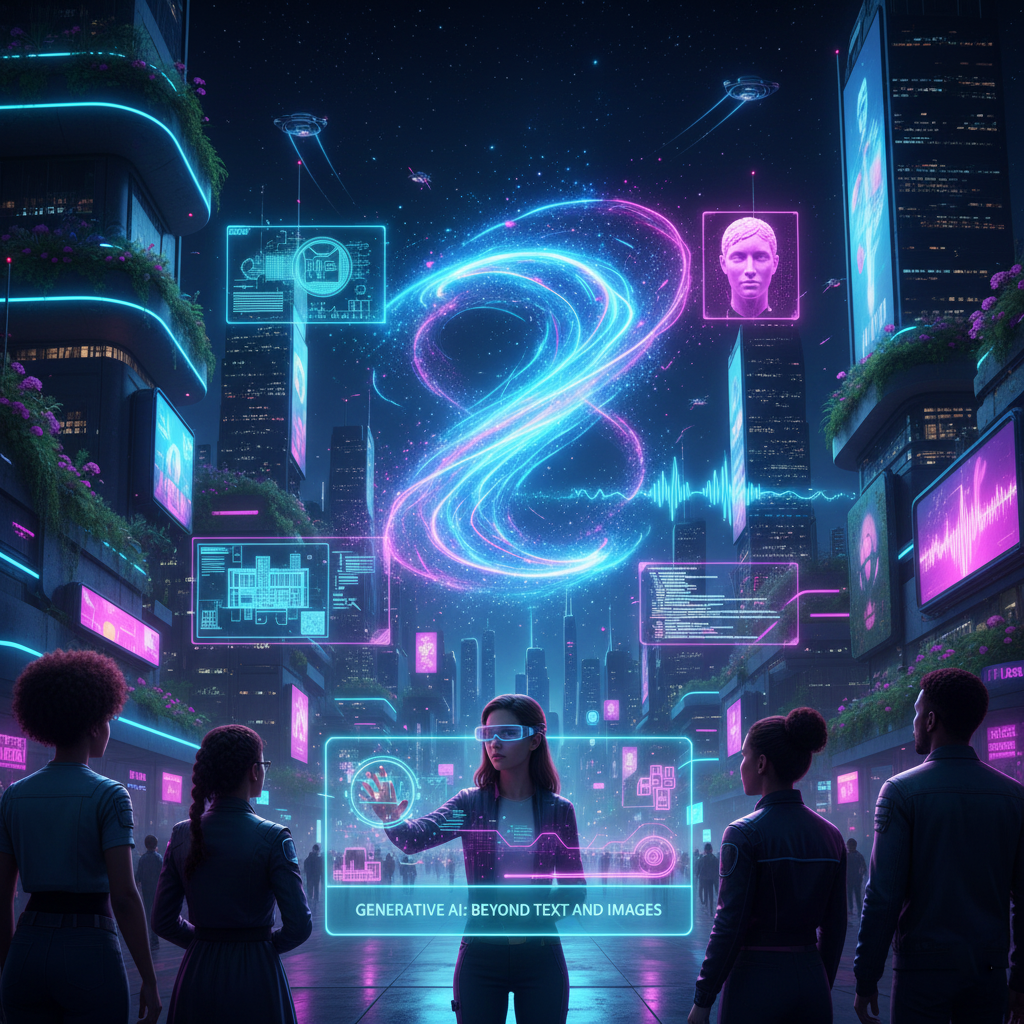
Generative AI remains one of the most influential advancements in artificial intelligence. While earlier versions focused mainly on text generation, modern generative AI systems can now create images, videos, music, voiceovers, and even software code.
What’s New in Generative AI?
In 2025, generative AI models are far more accurate and creative. They understand context better, reduce repetitive outputs, and generate content that feels natural and human-written. Businesses use generative AI for marketing campaigns, website content, product descriptions, and social media strategies.
Many companies are also integrating generative AI into tools that help users automate daily tasks, similar to the AI tools discussed in our guide on best AI tools in 2025
Multimodal AI: Thinking Like Humans
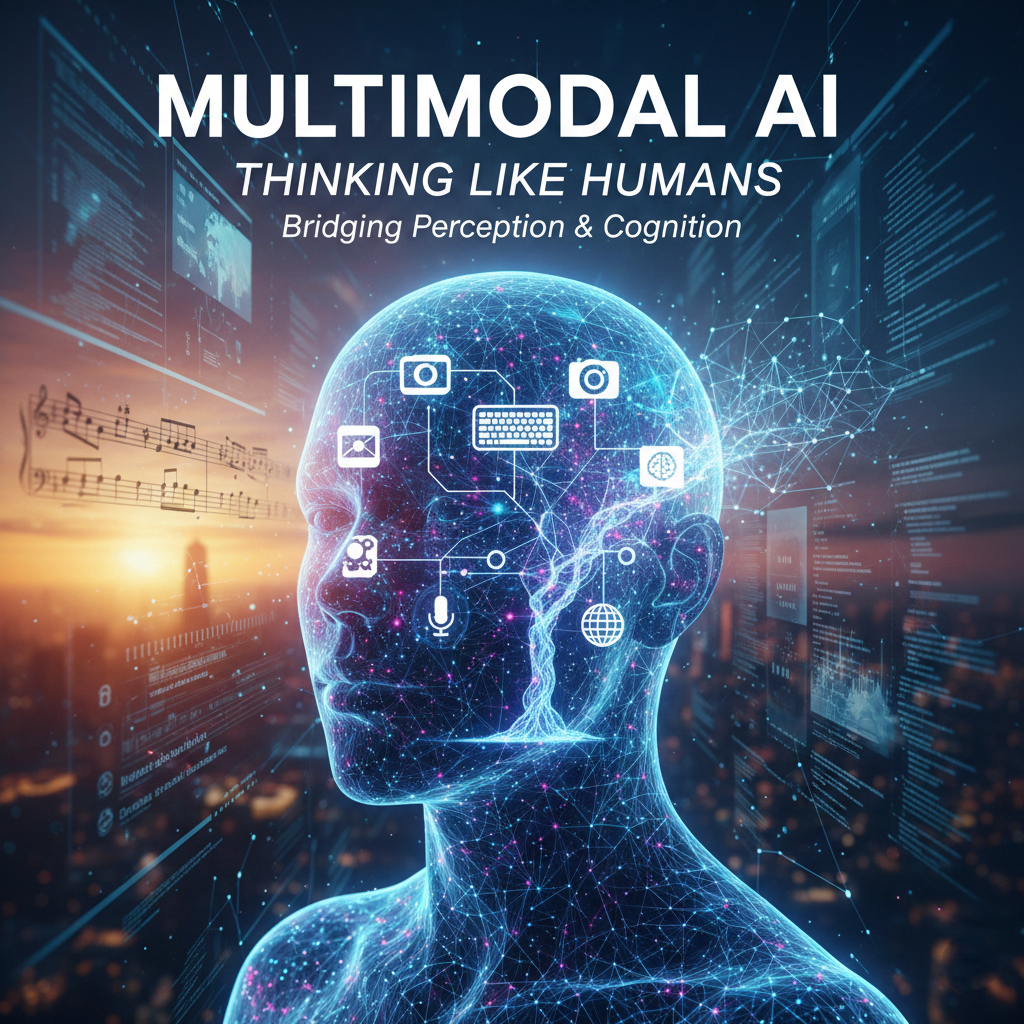
Multimodal AI is a major breakthrough that allows AI systems to process multiple data types at the same time. These systems can understand text, images, audio, and video together instead of treating them separately.
For example, a multimodal AI assistant can analyze a photo, listen to a spoken question, and respond with a detailed written explanation. This human-like understanding significantly improves accuracy and usability.
Multimodal AI is now widely used in education platforms, customer support systems, and smart assistants.
AI Agents: Autonomous Decision Makers
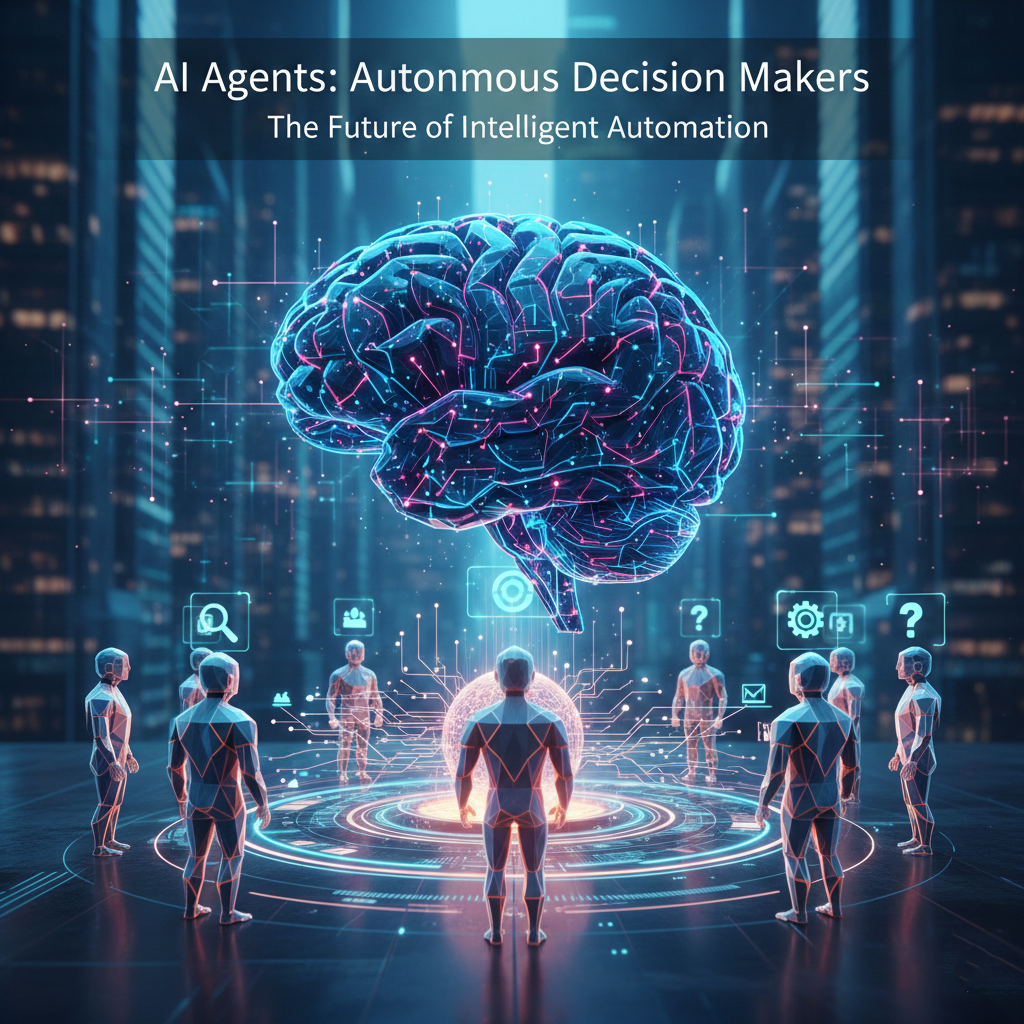
AI agents are intelligent systems designed to work independently. Unlike traditional AI tools that require constant input, AI agents can plan tasks, execute them, monitor results, and improve over time.
Real-World Uses of AI Agents
- Automated customer support
- Financial analysis and trading
- Task management and scheduling
- Research and data processing
AI agents help businesses save time, reduce errors, and increase efficiency. In 2025, many companies rely on AI agents to handle complex workflows.
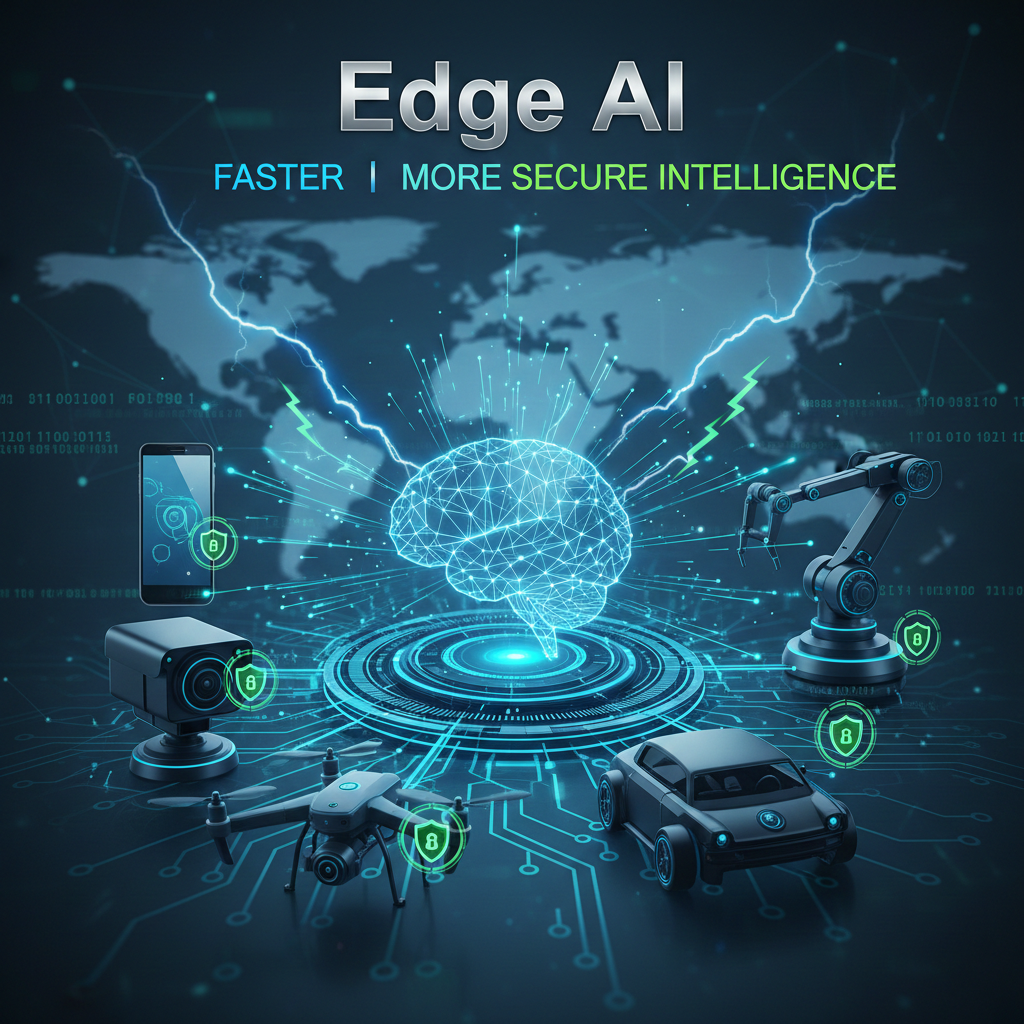
Edge AI: Faster and More Secure Intelligence
Healthcare is one of the most impactful areas where AI is making a real difference. In 2025, AI systems assist doctors in diagnosing diseases, analyzing scans, and predicting patient outcomes.
AI helps detect illnesses at early stages, create personalized treatment plans, and reduce human error. Virtual health assistants also help patients track symptoms and access medical information easily.
As a result, AI is improving healthcare quality while lowering costs.
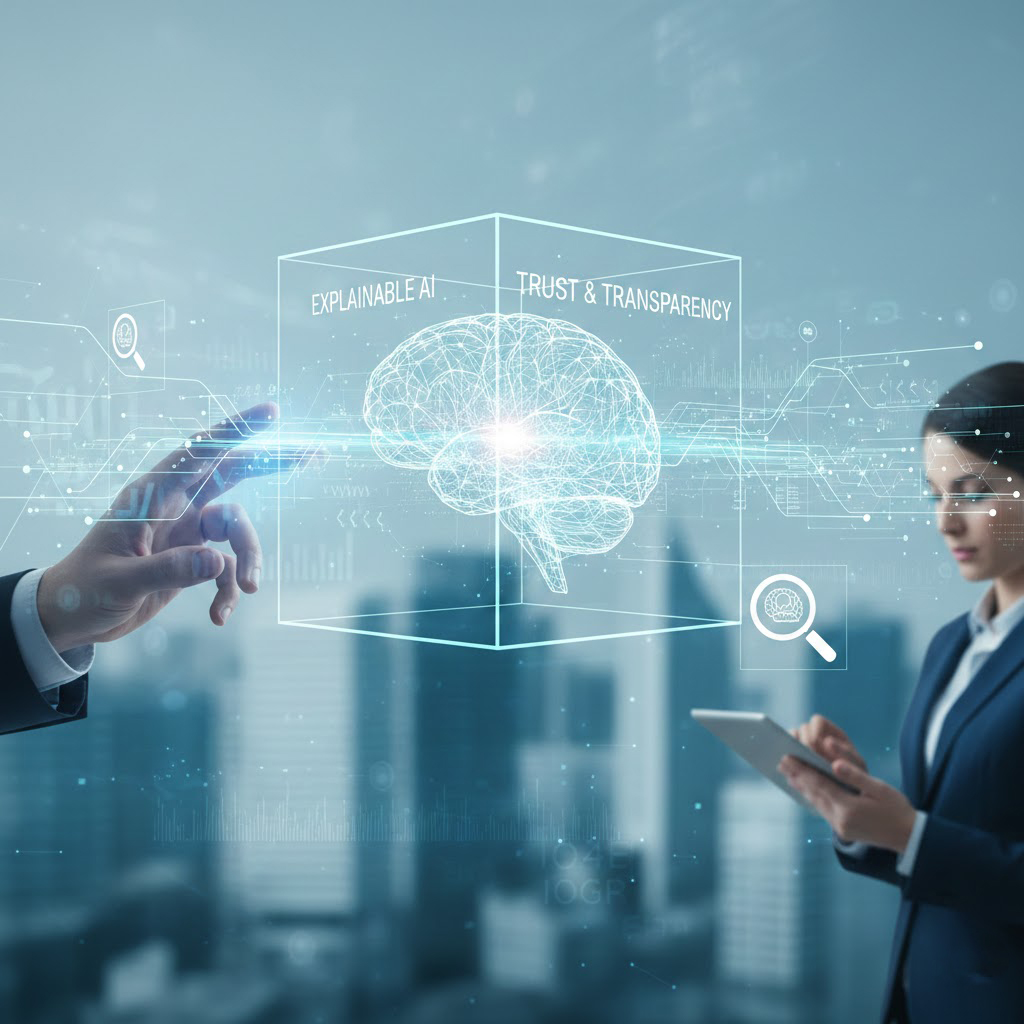
Explainable AI (XAI): Trust and Transparency
Cyber threats are increasing every year, and traditional security systems are no longer enough. AI-powered cybersecurity tools can detect unusual activity, prevent data breaches, and respond to threats automatically.
These systems learn from new attack patterns, making them more effective over time. AI has become a critical part of modern digital security.
Human-AI Collaboration in Modern Workplaces
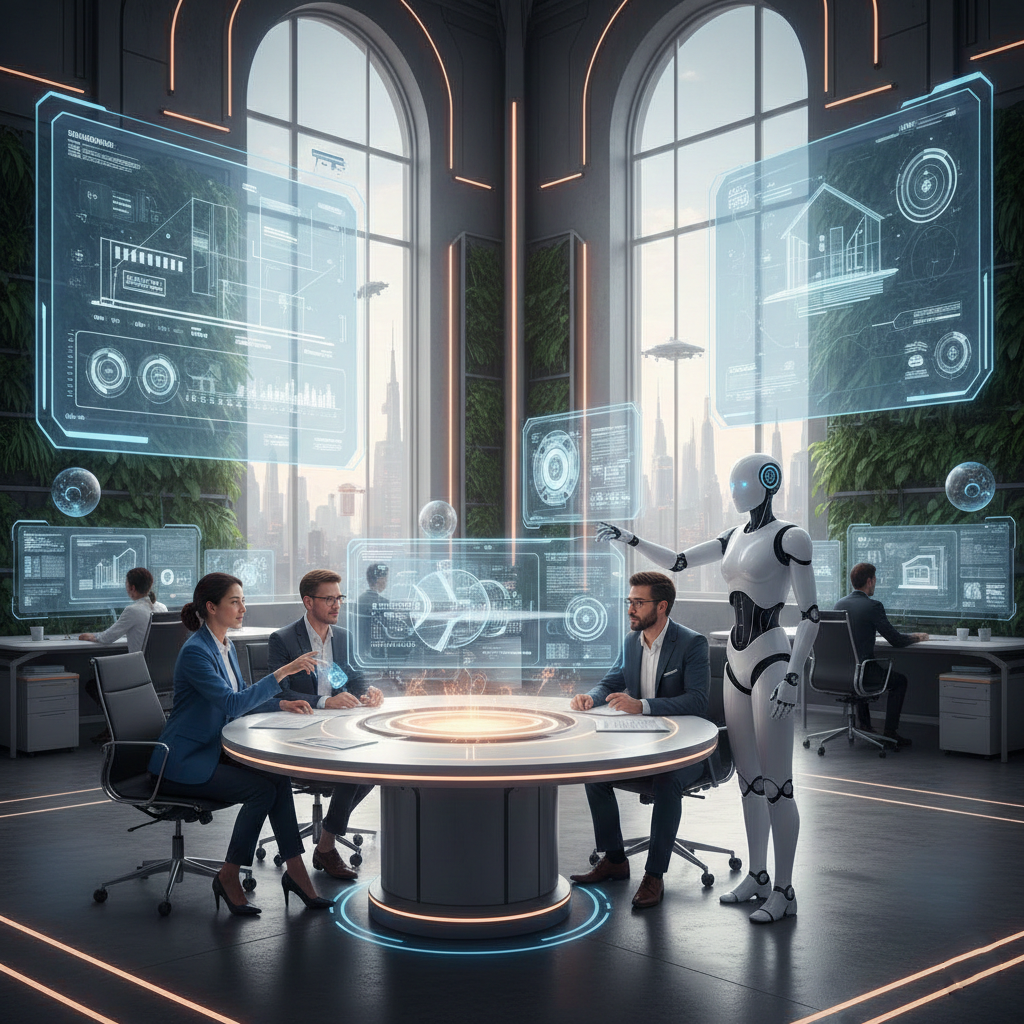
I is not replacing humans; instead, it is enhancing human capabilities. Writers use AI for research, developers use it for debugging, and designers use it for inspiration.
The most successful professionals in 2025 are those who know how to work alongside AI tools to improve productivity and creativity.
Ethical AI and Responsible Development

With the growing influence of AI, ethical concerns are becoming more important. Responsible AI development focuses on fairness, privacy, and human oversight.
Governments and organizations are introducing regulations to ensure AI benefits society without causing harm or discrimination.
The Future of Artificial Intelligence
The future of AI looks extremely promising. AI will become more personalized, emotionally intelligent, and integrated into daily life. From smart homes to intelligent workplaces, AI will continue to shape the future of technology.
Those who adapt to AI early will have a strong advantage in the digital world.
Conclusion
Artificial Intelligence is transforming the world faster than any technology before it. In 2025, AI is not just a tool but a powerful partner in innovation, productivity, and problem-solving.
Understanding the latest AI technologies is essential for businesses and individuals who want to succeed in the future. The smarter we use AI today, the better prepared we will be for tomorrow.
